 English
  Nederlands
  Deutsch
  Français
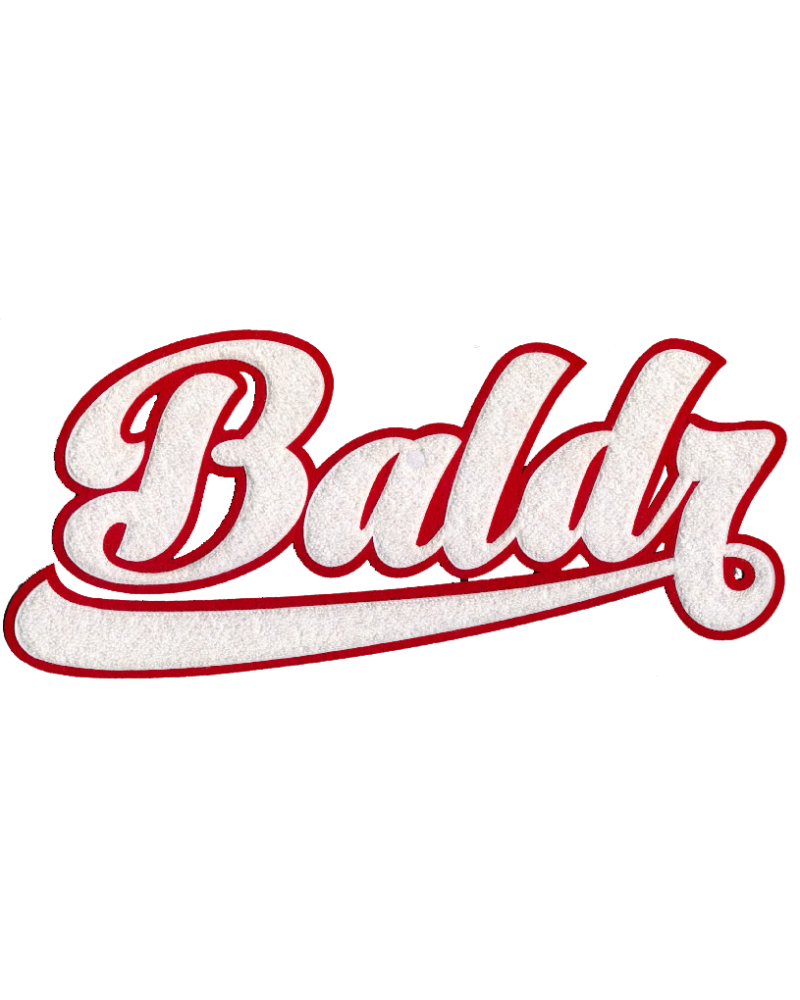


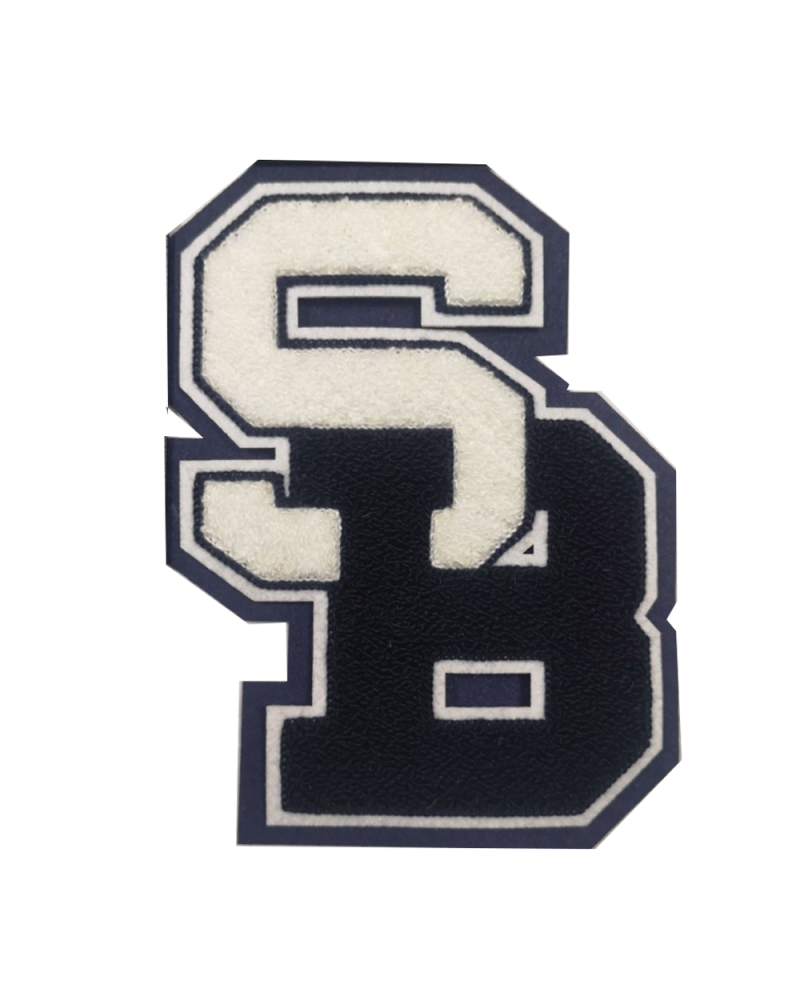
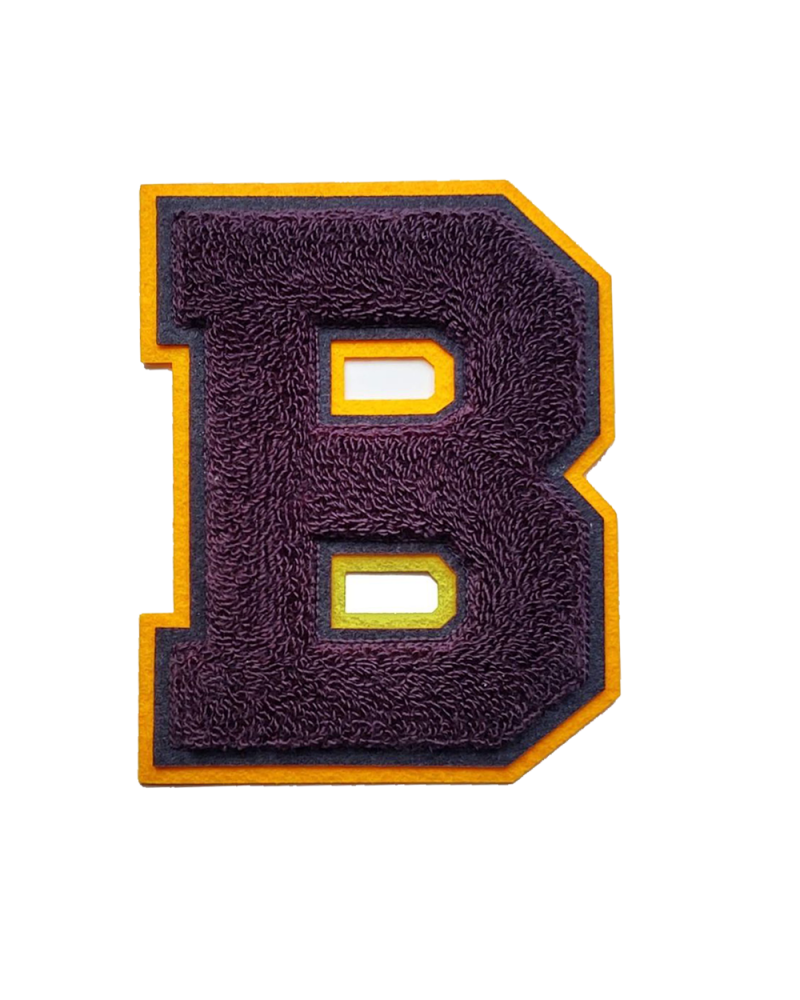


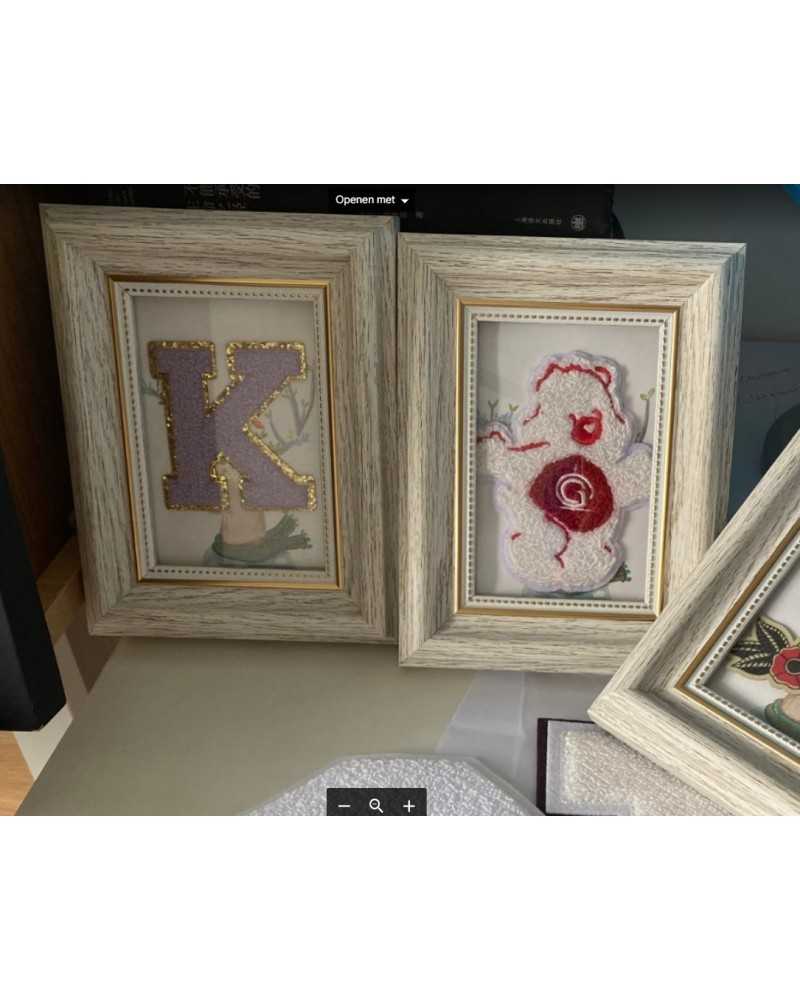


Chenille badges are known as Letterman badges. Chenille badges and patches are very popular in the 70's . Chenille badges and patches are usually made of two layers. We use special machines to sew chenille yarns up through the bottom felt to create a raised, fluffy textured surface.
The application of chenille badges give your product a retro feel.
Althogut we can make chenelle badges and patches in small size, but they are more suitable for large badges ( e.g. > 15 cm) with simple and clear design.
We have been making chenille badges for 20+ years and have the machines and skills to meet the most demanding quality standard.
Just send us your request today and receive a free proposal in 24 hours.
Chenille badges are known as Letterman badges. Chenille badges and patches are very popular in the 70's . Chenille badges and patches are usually made of two layers. We use special machines to sew chenille yarns up through the bottom felt to create a raised, fluffy textured surface.
The application of chenille badges give your product a retro feel.
Althogut we can make chenelle badges and patches in small size, but they are more suitable for large badges ( e.g. > 15 cm) with simple and clear design.
We have been making chenille badges for 20+ years and have the machines and skills to meet the most demanding quality standard.
Just send us your request today and receive a free proposal in 24 hours.

Make Exlcusively for You, EU Directive Art. 17 Copyright Protection

100% Quality, Delivery Waranty
" We recently had contact over the making of a patch and we are very happy with your reactivity and customer service.
I have an inquiry over chenille badges for one of our clients. I would like to know..."
Chenille Color Chart

Chenille badge felt color chart

Chenille embroidery is fluffy and raised, so fine details may not translate well. Use thick, bold lines and large, simple shapes to ensure clarity. Avoid Small Details: Small text, intricate patterns, or highly detailed images can become lost or muddled. Stick to large, impactful designs.
Use high-contrast color combinations (e.g., dark colors against light backgrounds) to ensure your design stands out. The chenille material is soft and can sometimes blur low-contrast areas. Limit Color Palette: Stick to 2-3 main colors for the best result. Too many colors can make the design look cluttered, especially with the thick chenille fibers. Chenille Colors: Choose colors that have matching chenille threads available, as not all colors are easily replicated in chenille material.
If your design includes text, use large, blocky fonts (e.g., varsity-style or sans serif). Text should be at least 0.5 inches tall to be legible. Minimal Text: Avoid using too much text; focus on a short name, number, or phrase. Overly wordy designs may lose legibility in the chenille texture.
Adding a thick outline or border around the design elements can help define shapes and ensure they stand out. It also helps keep the design sharp against the chenille background. Finished Edges: Make sure your design considers a finishing method for the edges (such as a merrowed edge or satin stitch border) to give a clean look to the badge.
Chenille naturally has a plush, 3D effect. Play with layered designs to take advantage of the raised texture. For example, lettering can be chenille, while finer details are embroidered flat for contrast. Mixing Materials: Consider combining chenille with other types of embroidery (such as chain stitch or satin stitch) to add detail where needed. This mix of textures can enhance the design.
Chenille badges tend to be larger (around 4 to 6 inches or more) due to the material’s thickness. Make sure the size complements the design; small badges may not be ideal for chenille due to the fluffy nature of the material.
Make sure all elements of the design can be stitched with the required minimum stitch length for chenille (generally around 0.1 inch or more). Sufficient Space: Leave enough space between different design elements (especially for multi-color areas), as the raised texture of chenille can cause closely packed elements to blend together.